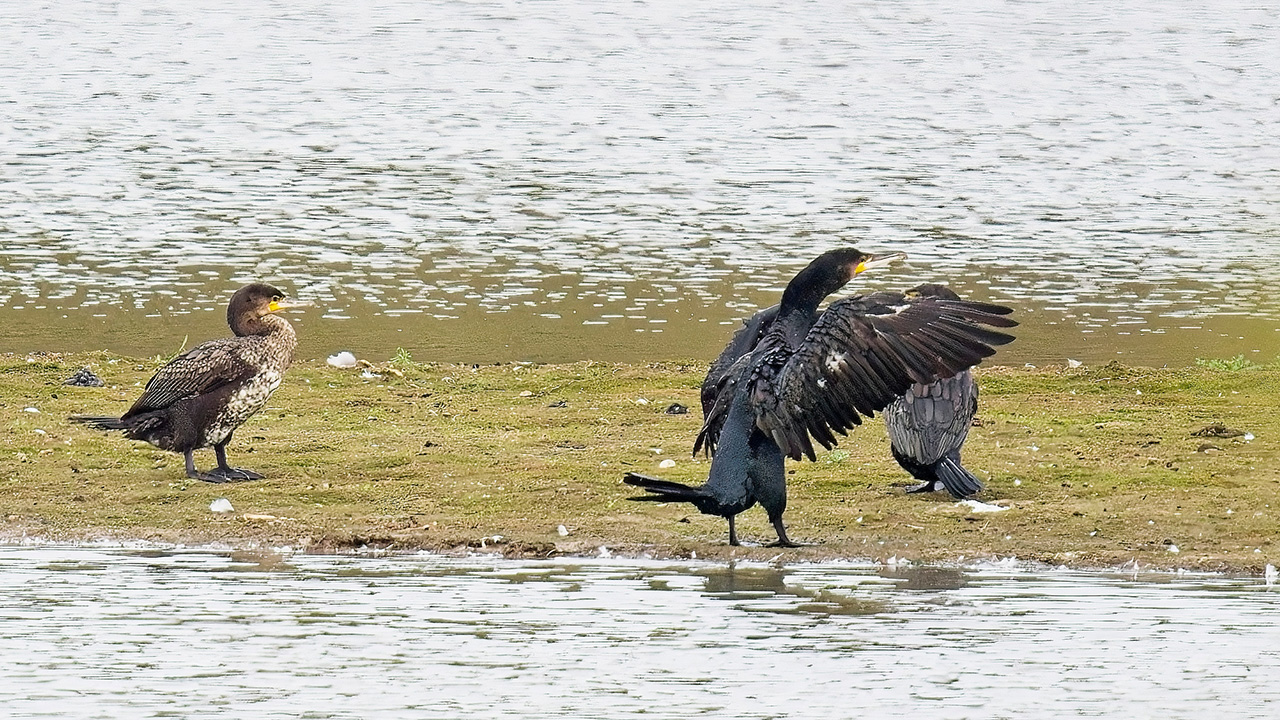
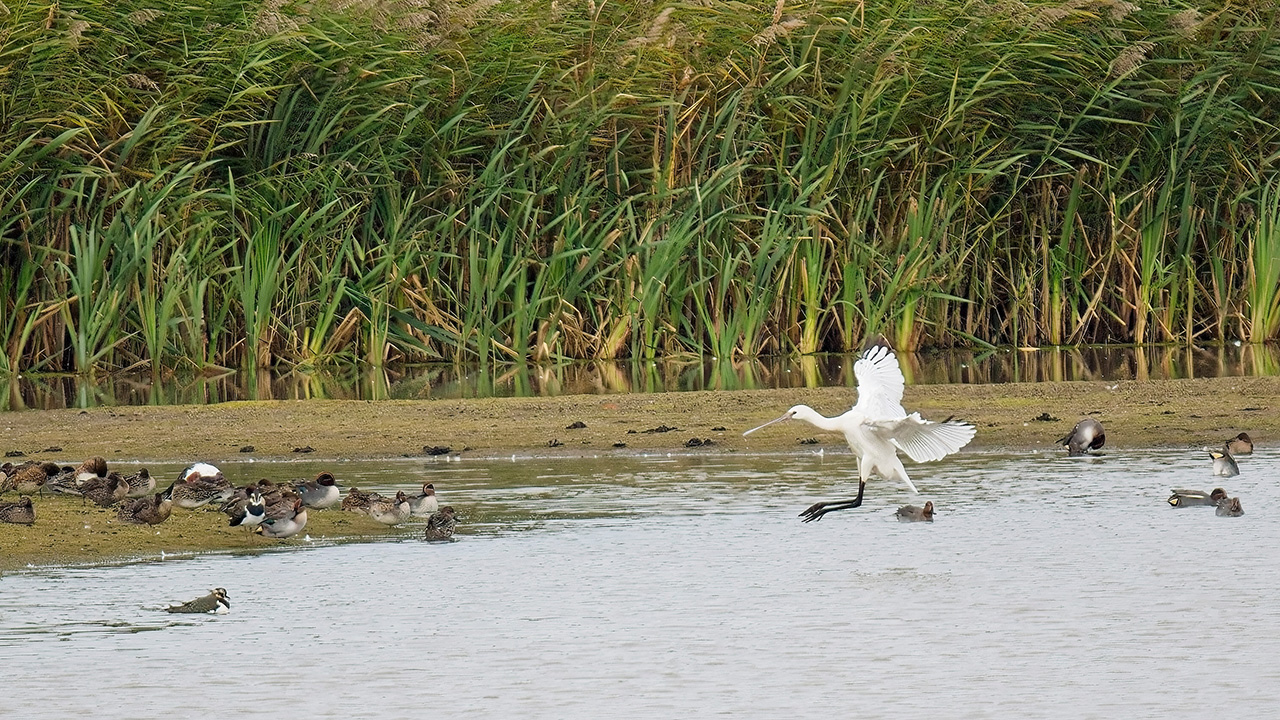
12 of us today, including a new member, went to Potteric Carr for the day. This was the largest group we have had for quite a few months, a good turn out for the last meeting of the year.
About the Reserve
Potteric was part of the Humberhead Levels, a huge flat plain spanning over 2,000 square kilometres across Yorkshire, Lincolnshire and Nottinghamshire which ultimately drained 20% of England’s landmass into the Humber Estuary. Potteric began to be slowly drained, allowing agriculture to expand and develop in the region, and was planted over with trees.
In the 1950s, coal mining tunnels from Rossington Colliery ran beneath the area. Subsequent mining subsidence over the next 15 years caused the land to sink, allowing natural fen conditions, open water, and marshland to return. In 1968 the Yorkshire Wildlife Trust established a small nature reserve covering 13 hectares (32 acres).
At the Reserve, most of us, not being members, needed to pay for entry to a Wildlife Trust Reserve, however, their machine was not working, so cash only! After coffees we set off to wander around the large reserve. It was a mild day and very pleasant for a long walk, which was good as we soon discovered an absence of birds. We spotted over 6 different fungi as we walked around and tried identifying the wild flowers still in bloom, but birds were few and far between. Dragonflies and the occasional bee and moths were seen along the paths.
We had been told one area of the reserve was flooded and impassable yet the first two hides we came to overlooked fields of rushes where there used to be water, and no birds. We spotted a few Wrens darting around amongst the rushes, but little else. Walking along the paths we saw Wrens, Robins, Dunnock, and Blue Tits. We were more than halfway round the reserve before we reached the West Scrape where there was water with lots of birds on it.
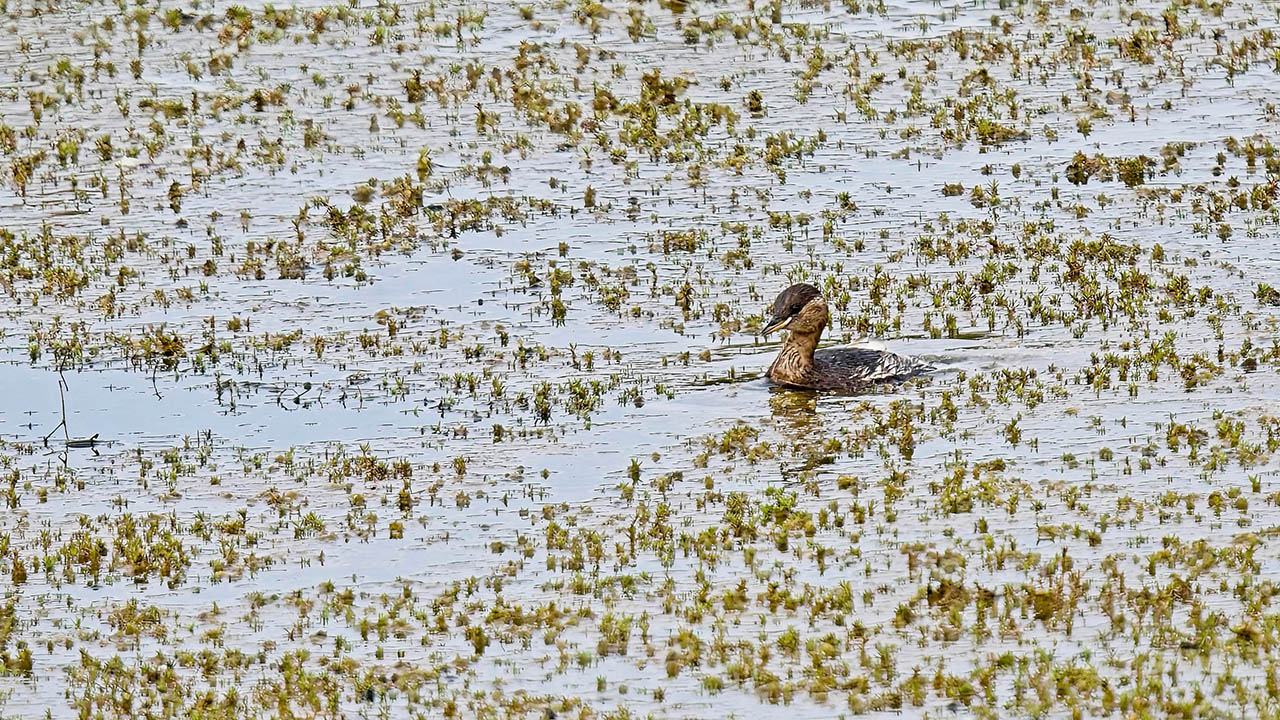
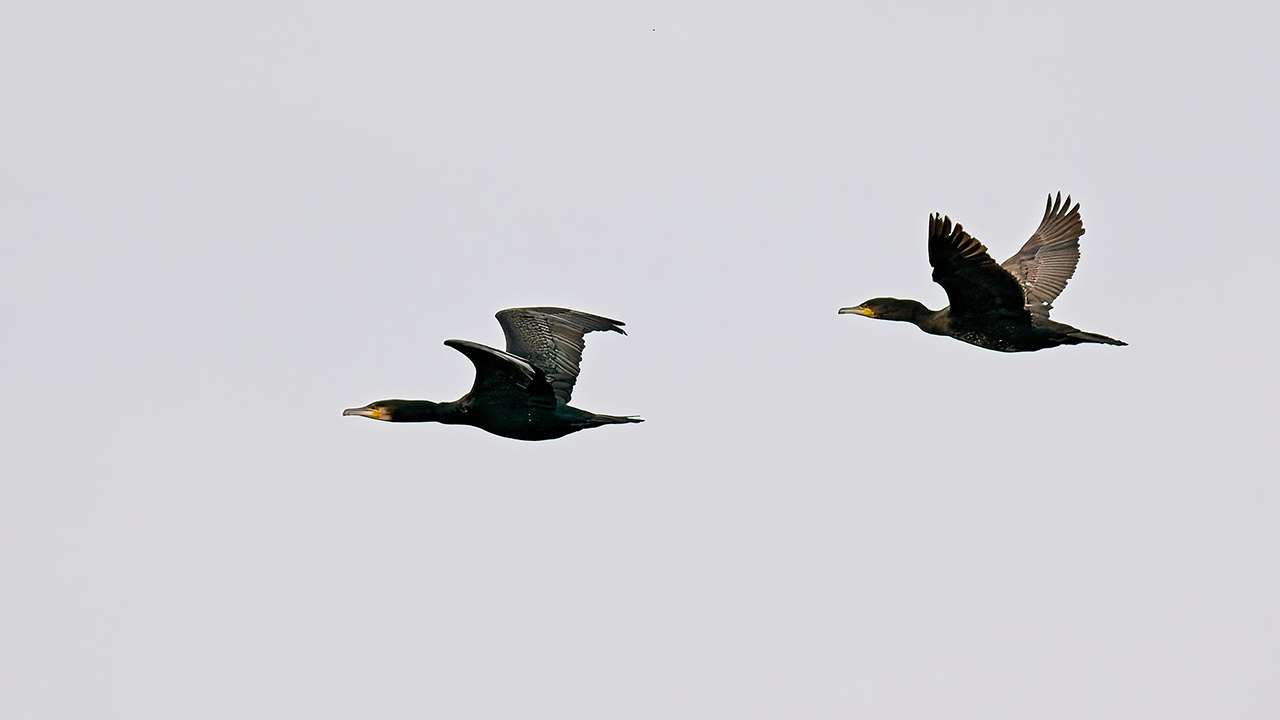
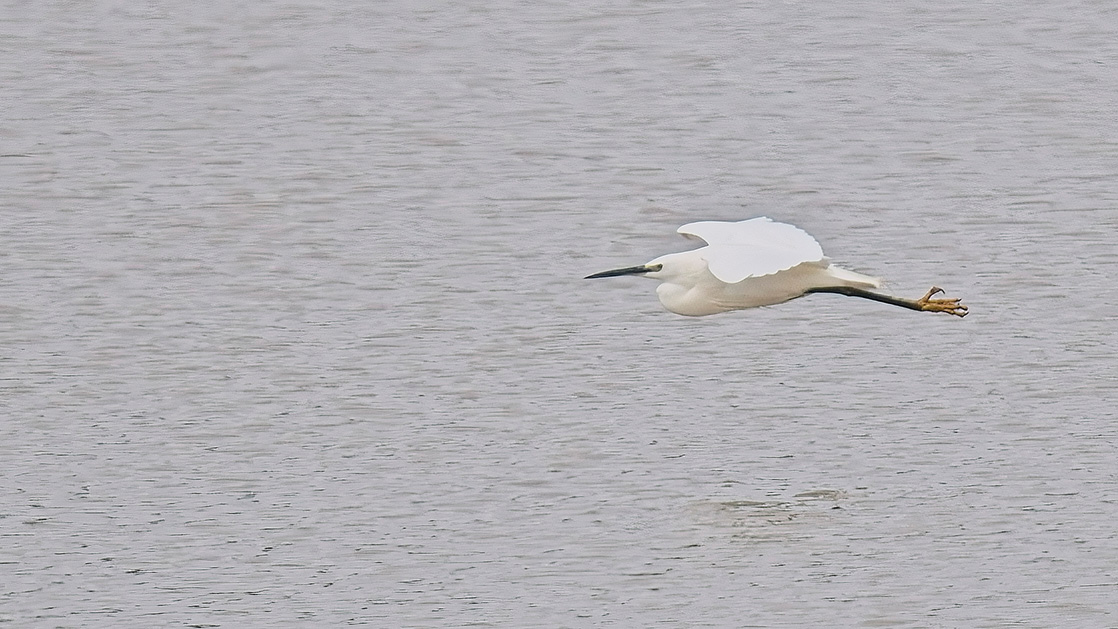
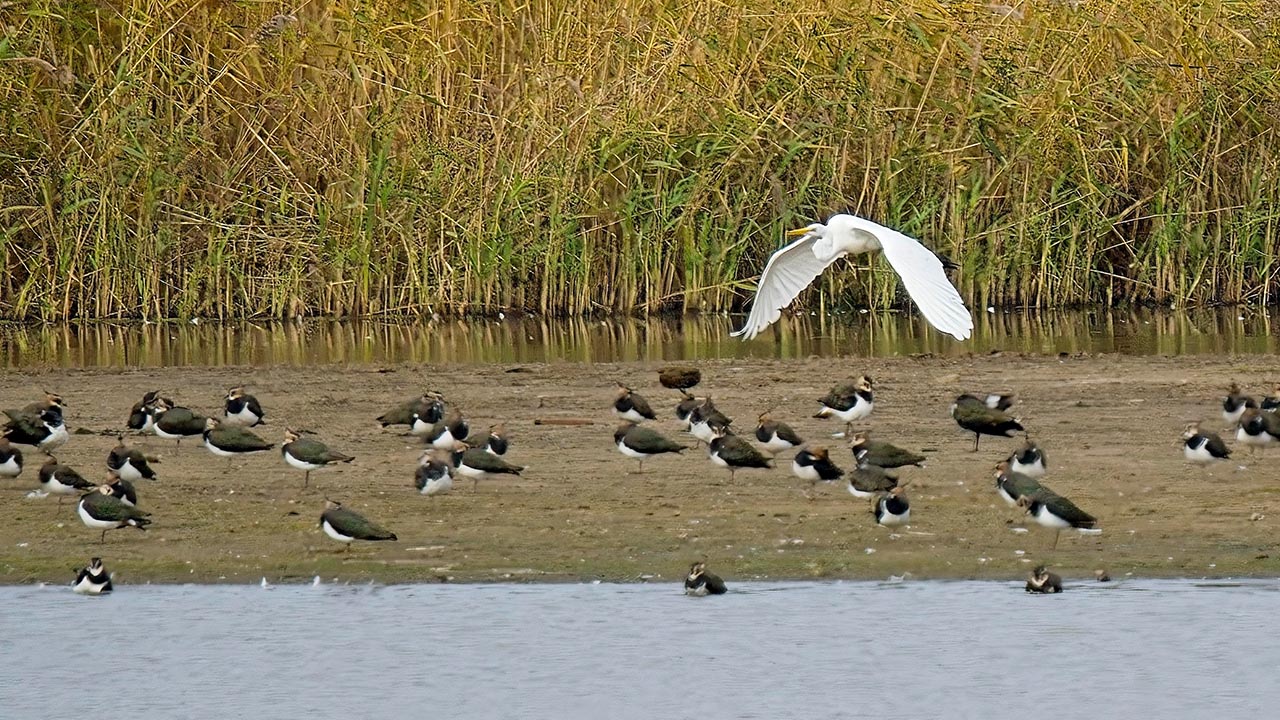
There and the next hides, we saw Spoonbill, Little Egret, Great Egret, Grey Heron, Mute Swans, Greylag Geese, Great Crested
Grebe, Little Grebe, Shovelers, Shelduck, Pintail, Gadwall, Teal, Coot, Moorhen and of course, Mallard. There were lots of Lapwing which suddenly took off, frightened by a bird of prey, too quick to identify. However later we saw a Sparrowhawk, close to the hide we were in, and that was the most likely culprit. We also saw Marsh Harrier and Buzzard.
In the fields beside the water, we saw Konic ponies and elsewhere we saw cattle including highland cattle. Having completed the circuit, we had a late lunch together before saying our goodbyes and heading home. Traffic was very bad on the way back and took well over an hour. From our car, four of us saw 2 Deer, a Red Kite and a Kestrel during the return journey.
Birds species seen 32
Distance walked 4 ½ miles.
Photos by David W.